Goat Mom SVG PNG: A Designer’s Embroidery Review
As a professional embroidery designer and product reviewer, I approach every new digital asset with a critical eye. When evaluating the Goat Mom SVG PNG, my primary concern is not just how the graphic looks on a screen, but how it translates into thread on fabric. In the world of Crafts and Graphics, there is often a disconnect between a beautiful vector file and a functional machine embroidery design. After analyzing this specific design, I see significant potential for niche markets, particularly for homesteaders, farm enthusiasts, and pet owners who identify with the "goat mom" lifestyle. However, success depends entirely on proper execution and understanding the limitations of converting this specific embroidery file into a tangible product.
First Impressions and Visual Personality
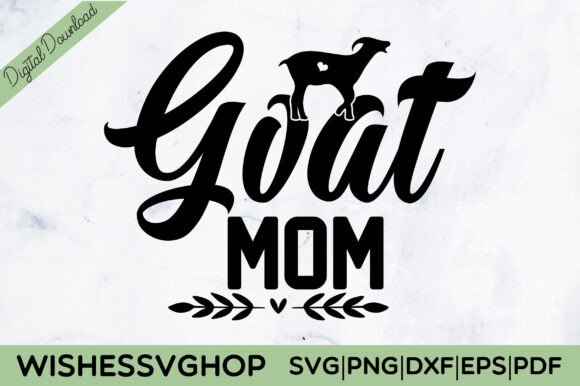
Upon unzipping the folder and examining the included SVG, the immediate impression is one of rustic charm mixed with modern typography. The design carries a distinct mood that balances humor with genuine affection for livestock. For an Etsy seller or small shop product creator, this emotional connection is vital. Customers buying goat-themed merchandise are usually passionate about their animals; they want items that reflect their identity. The layout appears balanced, suggesting it would work well as a centerpiece for custom apparel or home decor. However, because this is delivered as a vector graphic rather than a pre-digitized stitch file, the visual weight of the lines will dictate your digitizing strategy. You must assess whether the intricate details in the goat illustration are better suited for a fill stitch, satin stitch, or perhaps an applique design to maintain clarity without excessive density.
Real-World Application: The Canvas Tote Test
To truly evaluate the Goat Mom SVG PNG, I mentally placed it in a real-life production scenario: creating a heavy-duty canvas tote bag for a local farmer’s market vendor. This is a classic use case for this demographic. A tote bag offers a stable, non-stretchy surface ideal for testing stitch density. In this scenario, I would likely treat the main goat silhouette as an applique to keep the bag lightweight and flexible, while using a running stitch or light fill for internal details. The text element requires careful consideration; if the font is too thin, it may get lost in the canvas texture. I would recommend adding a slight underlay or choosing a bolder typeface variation during the digitizing process to ensure legibility from a distance. This practical application highlights that the raw SVG is merely a blueprint; the value comes from adapting it to the specific fabric texture and end-use of the finished product.
Navigating Fabric Challenges and Hoop Limitations
While the design has broad appeal, certain applications require caution. If you plan to use this for baby embroidery on onesies or stretchy knits, you must be vigilant. Goats have fine details like horns, ears, and fur textures that can become distorted on unstable fabrics. Always pair this design with a high-quality cut-away stabilizer and consider a topping to prevent stitches from sinking into plush materials. Furthermore, be mindful of your hoop size. Scaling down the Goat Mom SVG PNG to fit a 4x4 hoop might cause small lettering to become illegible or result in jump stitches that compromise the design's integrity. Conversely, enlarging it for a large jacket back requires checking that the original vector nodes are smooth enough to prevent jagged edges when stitched at six inches wide. For curved surfaces like caps, the horizontal span of the design may need modification to accommodate the curve of the hat frame without causing registration issues.
Commercial Viability and Brand Consistency
For those running a craft business or engaging in commercial embroidery, consistency is key to building customer trust. Using the Goat Mom SVG PNG across multiple products—from sweatshirts to tea towels—creates a cohesive brand identity. However, you cannot simply stitch the same file on every item. A sweatshirt embroidery project allows for higher density and more complex shading than a delicate kitchen towel. As a maker, you should create variations of the digitized file optimized for each substrate. This attention to detail separates professional shops from hobbyists. Additionally, if you sell digital embroidery files derived from this graphic, you must clearly communicate the intended skill level and fabric recommendations to your buyers. Providing accurate mockups and test stitch-outs builds credibility and reduces customer service inquiries regarding poor results.
Essential Pre-Stitch Checklist for Makers
Before you commit this design to your final merchandise or list it as a personalized gift, adhere to these professional best practices:
- Verify Licensing: Since this is an instant download, confirm the commercial usage rights before selling finished goods or modified digital assets.
- Test on Scrap Fabric: Never stitch directly on a client’s garment first. Use a scrap piece identical to your final project to check tension and registration.
- Check Thread Contrast: View the design in black and white within your software to ensure details rely on contrast, not just color differences, which can vanish on similar-toned fabrics.
- Inspect Small Details: Zoom in to 100% view to identify any areas where stitches might overlap excessively or gaps might appear.
- Mockup Validation: Create a printable mockup to visualize placement. What looks centered on screen may appear too low on a physical shirt due to chest curvature.
- Stabilizer Selection: Match your stabilizer weight to the design density and fabric type; a mismatch here is the most common cause of failure.
- Wash Testing: If making items for frequent use like aprons or baby clothes, wash the test sample to ensure the design holds up to laundering.
Final Thoughts on Design Integrity
The Goat Mom SVG PNG represents a charming opportunity for makers to connect with a passionate niche audience. Its strength lies in its relatable theme and versatile aesthetic, making it suitable for everything from holiday embroidery gifts to everyday farm wear. However, the transition from a digital graphic to a high-quality handmade product requires technical diligence. By respecting the physics of thread and fabric, and by treating the SVG as a starting point rather than a final destination, you can produce items that customers will cherish. Whether you are creating an embroidered patch for a 4-H club or a boutique line of goat-themed apparel, remember that the quality of your stitching validates the charm of the design. Always prioritize test runs and material compatibility to ensure your creative vision survives the journey from screen to stitch.